
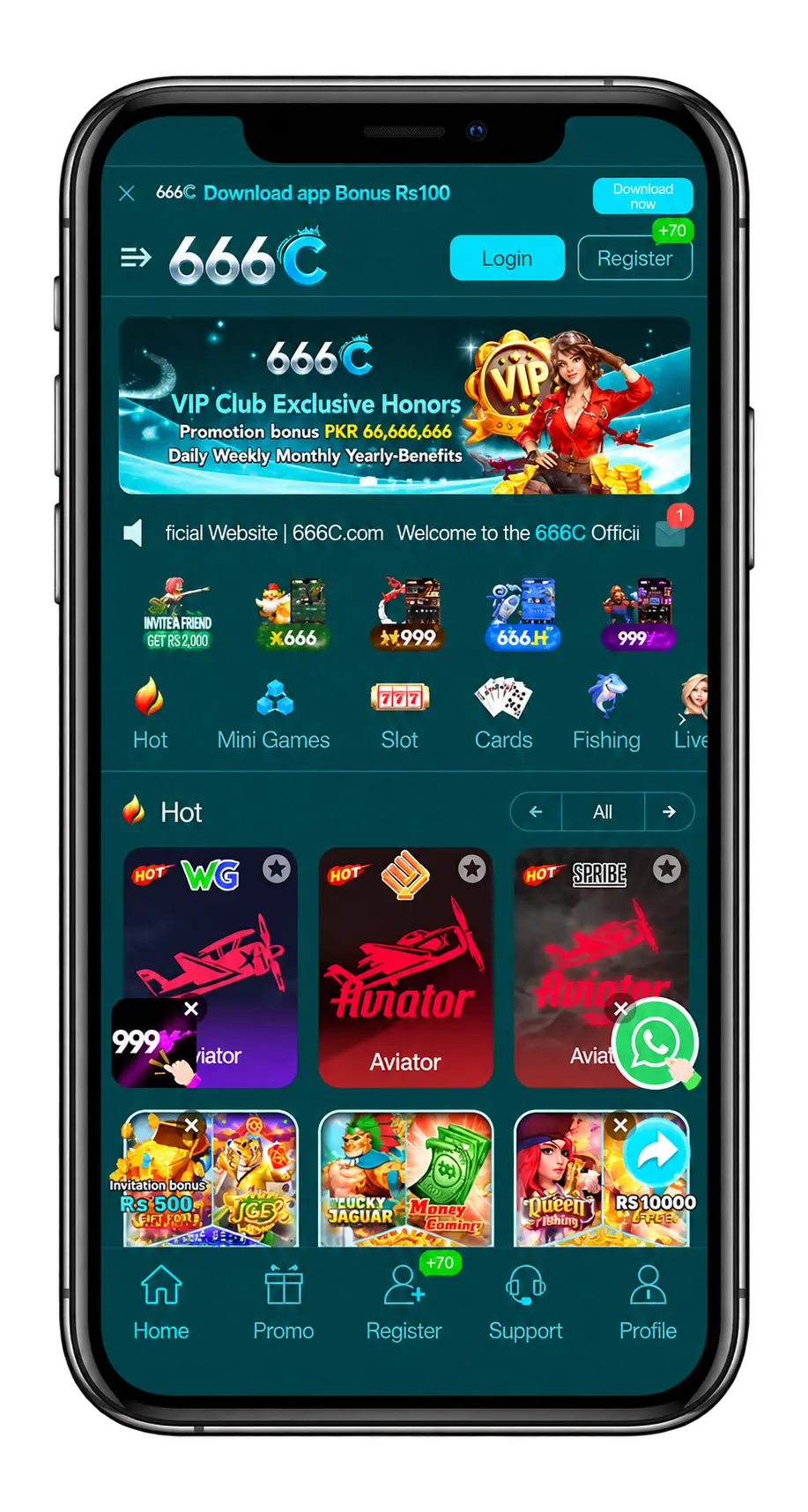
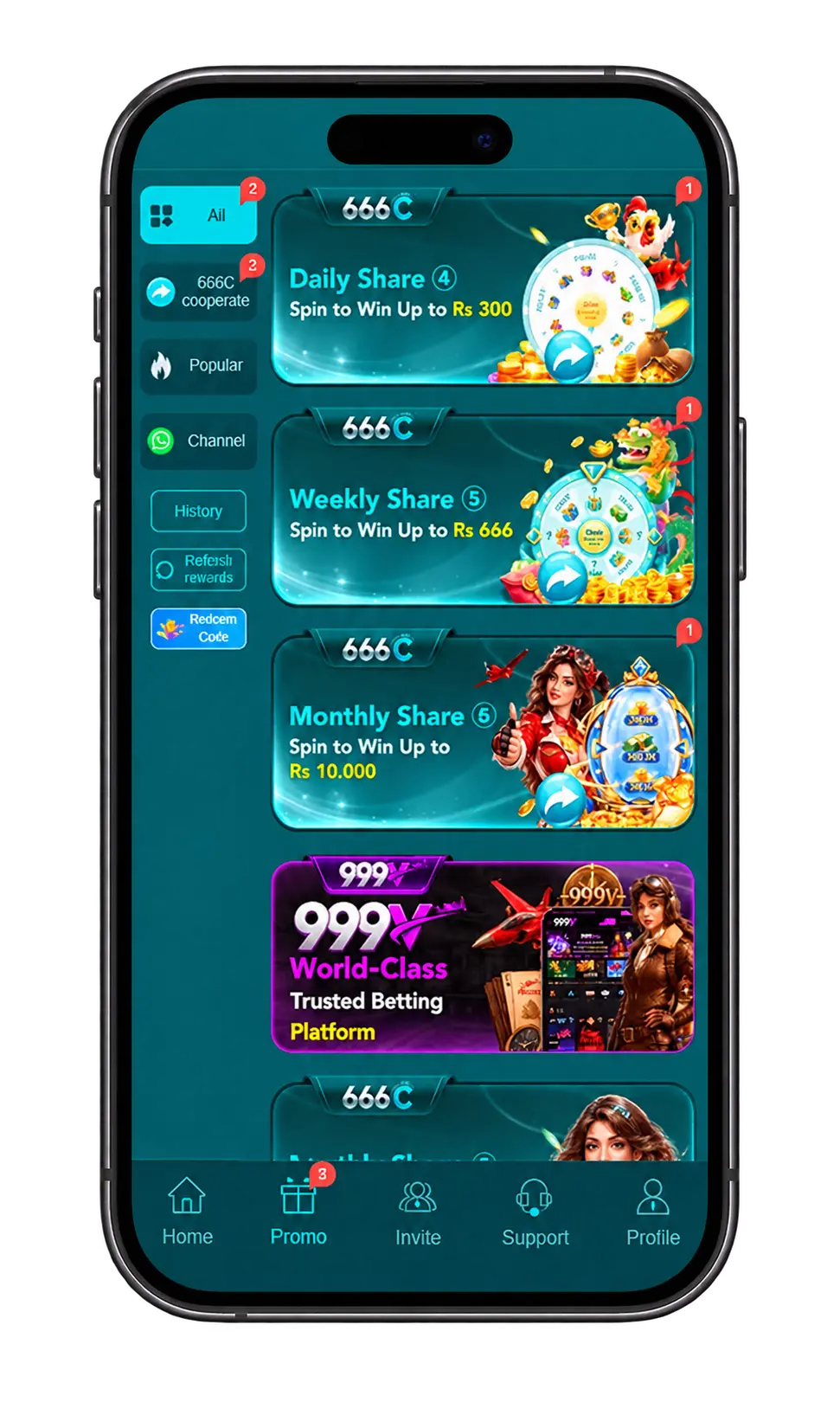
666C Game APK privacy is a question about the exact software, the information it requests and the organisation responsible for it. A public app name does not tell you which data a particular package collects or how its operator will use that information.
This article is a neutral privacy checklist for anyone assessing software carrying the 666C Game name. CD22GameAPK has not independently tested a 666C Game build, inspected its servers or confirmed a publisher or licence. The examples below illustrate questions to ask; they are not allegations about a particular operator.
Begin with a specific privacy question
“Is the app private?” is too broad to answer from an icon or screenshot. Break the question down. What information is requested? Is the request optional? What explanation appears before you share it? Who receives the data, and how can you ask about it later?
Record the particular screen or notice you saw, together with the date and app details. A privacy statement can change, and one version of a package may behave differently from another. Our Android package guide explains why a displayed name and package identifier should be recorded separately.
Start with the information already available. Do not submit real identity documents, contacts or financial details just to see what a form does. A privacy review should minimise unnecessary disclosure rather than creating more data for an uncertain service to hold.
Read the notice before the form
Look for a privacy notice that identifies a responsible organisation and explains its practices in terms you can understand. A long document is not automatically a clear one. Check whether it describes the information requested on the actual screen you are reviewing.
For example, imagine a form asks for a government identity document, but the linked notice discusses only website cookies. The gap is a question worth documenting. It does not become an adequate explanation simply because both pages display the same logo.
Save the notice’s address and stated revision date for your own record. If different screens link to different notices, compare their scope before assuming they describe one organisation or one database. Avoid filling missing details with another review site’s summary.
Distinguish a system permission from a service request
Android can ask whether an app may access photos, contacts, a microphone or other device features. A separate in-app form might ask you to upload a document or type personal information. These are different ways of sharing data.
Denying a device permission does not retract information you manually submitted earlier. Likewise, a permission screen cannot explain every server-side practice. You need to consider both the phone’s controls and the service’s own statements.
Google’s permission-management guide describes how to review an installed app through Settings. Menu labels vary between Android versions and manufacturers. Use the relevant permission page, and avoid granting broad access merely to dismiss a repeated prompt.
Consider the smallest amount of access needed
An access request should have a clear purpose related to an action you knowingly chose. Ask whether the app can complete the task with less information, or whether you can decline the optional feature altogether.
If your device offers a selected-photo option, that is a narrower choice than exposing an entire media library. The options available depend on the phone and Android version, so check the actual system dialog rather than following an old screenshot blindly.
Broad requests for contacts, messages or unusual special access need a particularly clear explanation. This does not prove wrongdoing by itself. It means the decision deserves more scrutiny than an instruction to “allow everything” provides.
Understand the limits of privacy labels
If a relevant app-store listing is part of the evidence, read its privacy information in context. Google’s Data safety explanation describes the section and how to interpret it. Do not treat a short label as a complete independent audit of every data practice.
Make sure the listing actually matches the package you are discussing. A privacy label for one application should not be attached to a different installer merely because the names look similar. A review needs a documented connection between the file and the information being cited.
Where the evidence is missing, describe that limit. It is better to say that a practice was not independently checked than to invent a reassuring statement such as “no data is ever collected.”
Protect account and identity information
Never send a password or one-time verification code to someone claiming to be a reviewer, agent or support representative. A code belongs in the genuine process that generated it. A stranger’s explanation of an urgent account problem does not establish their authority.
For a suspicious contact, use a route you already know is genuine. The FTC’s phishing guidance explains how impersonators use familiar names and urgent messages to request sensitive information.
Before sharing a document, ask why it is needed, who is responsible for it and what retention or deletion process is described. A request with a familiar brand name is still a request to disclose information. Do not publish document images in a public support thread to prove that you completed a form.
Keep financial claims outside a privacy verdict
An app’s approach to personal data does not establish whether gambling activity will produce a return. A privacy review should not use a displayed balance or promotional offer as proof of income, safety or reliability.
The WHO gambling overview describes harms that extend beyond the security of a phone. Keep that wider risk separate from a narrow observation such as whether a permission prompt appeared.
This article does not confirm the legal status of a service in a particular country. Privacy notices, licensing claims and local legal requirements are different questions. A factual review should identify the authority behind a legal claim instead of copying a badge or a promotional footer.
If information has already been shared
Make a private list of what you provided and when. Separate a name or email address from more sensitive items such as identity-document copies or account credentials. The appropriate response depends on the information involved.
If a reused password was disclosed, protect the other accounts where you used it through their genuine security settings. If payment information may be affected, contact the relevant provider through its known channel. Keep messages and transaction references without posting them publicly.
Deleting an app removes the local installation; it does not automatically prove that remote records were erased. Review the operator’s stated data-request process, while being cautious about any new request for additional sensitive documents. A deletion request should not become an excuse for another unnecessary disclosure.
How to document a neutral 666C Game assessment
Use clear labels: observed on a particular screen, stated in a notice, or not independently confirmed. Keep a record of which document supports which claim. Avoid turning a missing test into a positive or negative verdict about an entire brand.
A useful assessment can also record what it did not test. For example, reviewing a privacy notice does not mean that payments, server security or account recovery were tested. These limits help readers understand what the article can actually establish.
Our Play Protect guidance covers a separate device-security check. Its results should not be rewritten as a certification of a service’s privacy or financial practices.
Frequently asked questions
Does a 666C Game name or logo prove who collects the data?
No. Establish the exact package and the responsible organisation from reliable evidence. Similar branding alone is not sufficient.
Does denying a permission delete information already uploaded?
No. Device permissions and information already submitted to a service are separate issues. Check the relevant account or data-request process.
Does this review confirm a particular 666C Game privacy policy?
No. It provides a framework and explains its evidence limits. No specific package or server-side practice is independently certified here.
Is uninstalling an app the same as closing an account?
No. Removing local software does not automatically close a remote account or erase records held by a service.
A practical privacy standard
For software labelled 666C Game, focus on the specific data request and the explanation available before sharing. Use Android’s controls, keep personal records private and describe uncertain claims honestly. A clear question with documented evidence is more useful than an unsupported promise that an app is completely private.
Sources checked: 16 October 2026, Pakistan time. Linked Google, FTC and WHO references support the general guidance. Images are original educational diagrams and do not depict a verified 666C Game interface.



0 comments